How to Evaluate and Launch Attacks After Winning a Second Ball
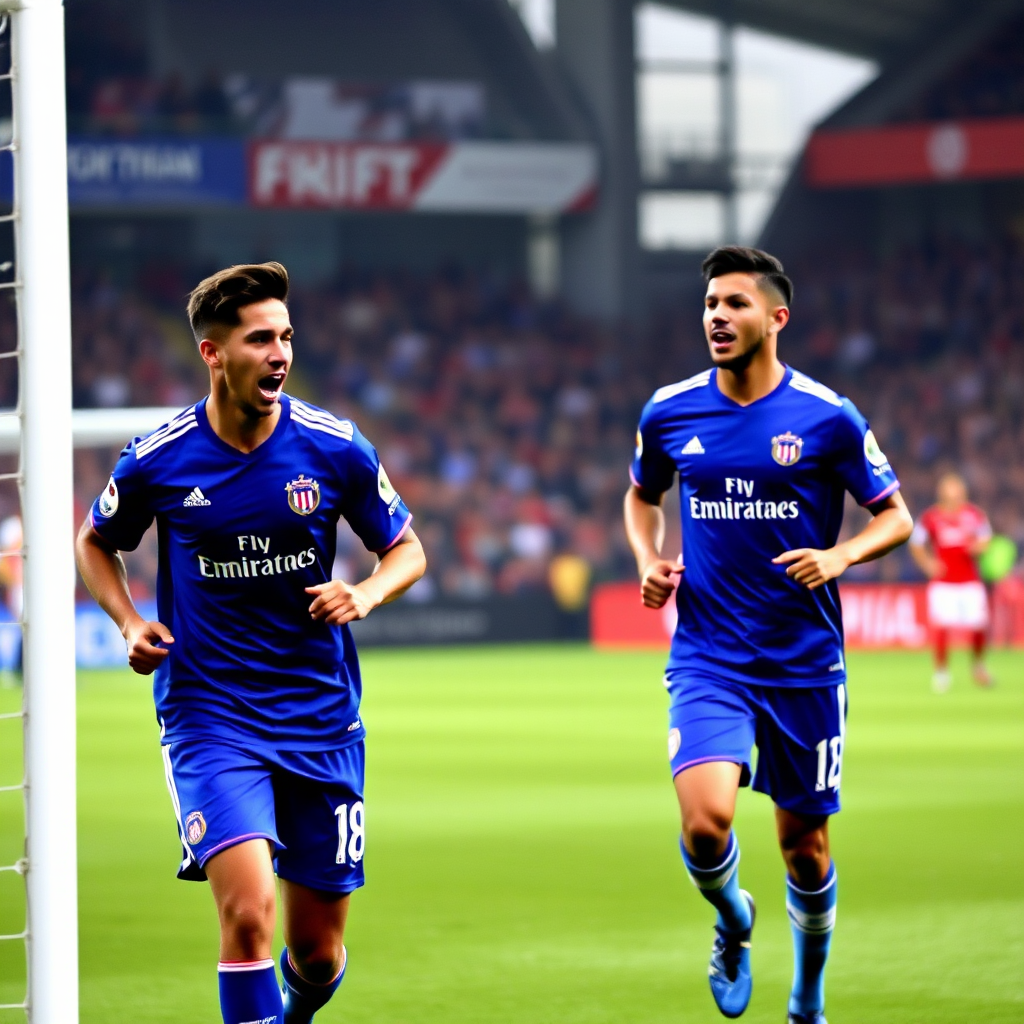
You have been there on the pitch countless times. The cross comes in, your teammate heads it back, and the ball bounces loose in the midfield thirty. You win the physical duel, but instead of building momentum, your head drops. You take a heavy touch toward the nearest defender, force a sideways pass under pressure, and watch the opposition sprint backward into a organized counterattack. This pattern kills attacking rhythm faster than anything else. Beginners often treat the second ball as a restart rather than a transitional opportunity, which leaves valuable yardage and structural advantages on the table. As a coach who has trained hundreds of developing players, I see this mistake repeatedly because the mental framework for handling loose balls is rarely taught systematically. We will fix that here.
The Immediate Framework: What You Must Do in Two Seconds
Before diving into footwork or passing technique, you need a clear mental sequence. When you secure possession after a second-ball recovery, your entire attack evaluation rests on three non-negotiable principles. First, establish body orientation that shields the ball and presents an open passing lane. Second, complete a rapid peripheral scan that identifies at least two support options and one line of progression. Third, execute a directional first touch that moves you into space rather than deeper into congestion. These three actions happen almost simultaneously, but they follow a strict internal order. If you prioritize shielding over scanning, you become stationary. If you scan over positioning, you get closed down. If you rush the final pass before confirming your touch direction, you invite pressure-induced errors. Mastering this micro-sequence transforms chaotic recoveries into structured attacking entries.
 Hình minh hoạ: GG88
Execution Protocol: Four Phases of Controlled Transition
Winning a second ball is not a single moment; it is a chain of deliberate movements. Below is the step-by-step breakdown I give to my academy players during transition drills. Follow each phase in order until the mechanics become automatic.
Phase One: Physical Positioning Before the Ball Drops
The battle actually begins before the initial clearance or saved shot lands. You cannot react effectively if you are flat-footed or facing away from play. Train yourself to angle your hips toward the center circle while keeping your shoulders squared to the nearest opponent. This stance allows you to push forward, drop deep, or turn laterally depending on where the ball lands. During drills, I constantly remind players to stay on the balls of their feet with knees slightly bent. Weight distribution determines whether you explode forward or absorb impact. When the header or block occurs, your first instinct should be a controlled jump-off into a forward-leaning posture. This reduces reaction latency by approximately half a second, which is often the difference between a clean recovery and a contested scramble.
Phase Two: Visual Data Collection Without Stopping Momentum
Once your body is positioned, your eyes must gather tactical information before you even make contact with the ball. This is the most neglected skill in youth development because it feels unnatural to look up while moving. However, scanning is not optional; it is the foundation of intelligent play. Within the first 0.8 seconds of securing the ball, identify three key data points: the location of the nearest pressing defender, the spatial gap between opposing defensive lines, and the movement trajectory of your own supporting players. Do not lock onto a single target. Use peripheral vision to map the field. I teach beginners to perform a shoulder-check sweep immediately after winning the physical duel. This habit builds a mental snapshot that survives contact. If you wait until the ball is trapped to look up, the window for progressive play has already closed.
Phase Three: Directional First Touch Management
Your first touch dictates your next three actions. Most players waste recovery opportunities by trapping the ball at their feet or rolling it toward pressure. Instead, you must use the ground itself as a weapon. Strike the ball diagonally forward into the space created by your opponent’s overcommitment, or push it wide toward the sideline if central lanes are blocked. The ideal touch places the ball two to three yards ahead of your body, outside your closest marker’s reach. This creates a buffer zone that forces the defender to close ground before applying pressure. Practice this by varying surface contact: instep drives for forward momentum, sole rolls for lateral shifts, and cushioned controls for absorbing pace. The goal is never perfect reception; it is strategic displacement. When the ball moves independently of your immediate threat radius, your brain gains the processing time needed to select the optimal pass.
Phase Four: Passing Ladder Selection
With your body oriented, scan complete, and touch placed advantageously, you now face a decision matrix. I categorize second-ball passing options into a four-tier ladder that helps beginners avoid paralysis under pressure. Tier one is the safe retreat pass to a fully open teammate, used when defensive pressure is overwhelming and progression carries high turnover risk. Tier two is the lateral switch to change the point of attack, effective when the opposing defense has shifted asymmetrically. Tier three is the vertical through-ball into space, reserved for moments when the midfield line is exposed and your runner has already turned. Tier four is the driven pass over the top or into the channel, utilized only when timing and weight align perfectly. Beginners should default to tier one or two until cognitive load decreases through repetition. Never force a tier three or four option simply because it looks attractive. Progression without security collapses quickly.

The Tactical Logic Behind Every Movement
Understanding why these steps exist separates reactive players from proactive architects of attack. Modern football compresses space relentlessly, meaning transitions after second-ball recoveries carry disproportionate weight. Statistically, teams that win ten consecutive duels in advanced areas score nearly double the expected goals compared to those that win isolated challenges. The reason is structural disruption. When you control a loose ball cleanly, you bypass the opponent’s reset phase. Defenders are still turning, organizing, and communicating. That half-second mismatch is where efficient attacks are born. Your positioning prevents immediate dispossessions, your scanning anticipates coverage gaps, your touch manipulates defensive geometry, and your passing ladder exploits temporal advantages. Skipping any layer exposes your team to rapid counter-pressing. Conversely, executing the full sequence forces the opposition to defend retroactively rather than proactively. Over time, this consistency breeds territorial dominance and forces higher-line defensive commitments, which creates additional space elsewhere on the pitch.

Damage Control: Preventing Turnovers in High-Stakes Zones
Even with flawless technique, certain scenarios demand conservative choices. Risk management during second-ball transitions relies on environmental awareness and self-assessment. Always evaluate the field position before committing to aggressive options. Recovering the ball near your own penalty area requires simplified decisions. In those zones, prioritize possession retention over penetration. Play backward or sideways if the forward lanes are clogged. Fatigue also alters risk tolerance. As match intensity rises, cognitive processing slows, making complex passes more error-prone. At that stage, rely on muscle memory and basic structural support. Another critical factor is numerical imbalance. If your side is outnumbered in the middle third due to previous attacking overloads, accept that immediate progression is statistically unfavorable. Simplify, recycle, and reorganize before attempting breakthrough passes. Tracking performance metrics through digital analysis platforms can help clubs identify recurring vulnerability patterns, and resources like GG88 offer accessible breakdown tools that streamline video review sessions without requiring expensive infrastructure. Ultimately, smart risk management means recognizing when restraint generates more attacking value than ambition. Discarding possession cheaply in dangerous areas guarantees stoppage, while patient circulation restores shape and resets offensive momentum.
Matchday Readiness Checklist
Use this practical verification list before stepping onto the pitch. It ensures you approach every second-ball scenario with intention rather than impulse.
- Verify hip angle and stance width during warm-up shadow drills to build muscle memory for forward-leaning recovery posture.
- Practice peripheral scanning by playing small-sided games with a constraint: you must call out the color of a cone pointed out by a coach before touching the ball.
- Test directional first touches across varied surfaces and ball speeds, recording success rates by touch distance and defender proximity.
- Run decision-mapping exercises where you pause playback after a clearance and verbally assign a passing tier before resuming the clip.
- Conduct fatigue simulation drills by completing high-intensity sprints immediately followed by second-ball recovery sequences, measuring touch accuracy and scan completion rates.
- Review previous match footage to identify zones where turnovers clustered, then design targeted interventions for those specific geographic triggers.
- Maintain communication protocols with neighboring midfielders during set-piece defending to coordinate cover positions that enable rapid transition support.
When operational logistics require careful budget allocation, club administrators often find streamlined administrative solutions essential for keeping training schedules uninterrupted. Managing travel reimbursements and facility payments efficiently allows coaching staff to focus entirely on player development rather than administrative friction. Many organizations now utilize centralized tracking dashboards to monitor spending across squads, and platforms such as Rút Tiền GG88 provide transparent transaction workflows that simplify financial reconciliation for grassroots and semi-professional programs alike.
Common Questions About Second-Ball Transitions
What should I do if I am surrounded immediately after winning the ball?
Accept the crowd, shield with your leading leg, and distribute quickly to the nearest safe outlet. Do not attempt dribbling escapes when multiple defenders converge. A short, secure pass maintains possession and allows your team to reposition. Forced solo runs against triple pressure result in turnovers eighty percent of the time.
Does my playing position change how I evaluate the second ball?
Yes, but the core principles remain identical. Central midfielders prioritize vertical progression and switching play. Fullbacks focus on wing advancement and overlap creation. Strikers look for rebounds into the box or quick combinations with advancing runners. Adjust your passing ladder tiers based on your role’s primary spatial responsibilities, but never abandon the scanning and touch-direction fundamentals.
How can I train this skill without live opponents?
Use rebound wall drills where you head or chest a ball into a net, then immediately receive the deflected return while a coach calls out directional commands. Add complexity by introducing colored cones that represent passing targets, forcing rapid decision-making without physical pressure. Gradually introduce passive defenders who apply light closing speed, then progress to active pressure scenarios as your confidence increases.
Is it better to play one-touch or two-touch after a second-ball recovery?
One-touch passes work only when your body is fully aligned, your scan is complete, and the receiving teammate is already moving into space. Otherwise, two-touch sequences provide necessary adjustment time. Prioritize accuracy over speed. A controlled two-touch delivery that splits defenders consistently outperforms a rushed one-touch attempt that hits turf or travels into traffic.
Targeted Advice for Coaches, Players, and Analysts
If you are a youth coach developing foundational habits, integrate second-ball recovery simulations into every session. Design rondos with forced clearances that immediately trigger loose-ball scrambles. Reward players who demonstrate correct body orientation and early scanning, even if the final pass lacks precision. Process recognition must precede execution refinement. For amateur club managers seeking competitive edge, implement structured video review protocols that isolate transition moments. Track conversion rates from second-ball wins to shots on target, and share aggregated data with players to highlight tangible progression benefits. Identify recurring misalignments, then adjust training loads accordingly. Developing players should treat every loose ball as a personal testing ground. Concentrate exclusively on hip angle, head-up discipline, and directional touch placement during matches. Ignore scoreboard pressure temporarily. Build mechanical reliability first, and attacking intelligence will follow naturally. Consistent repetition under graduated pressure rewires reactive instincts into proactive decision-making. Over time, you will notice that chaos transforms into controlled territory gain, and random recoveries become calculated launch pads for sustained offensive pressure.